
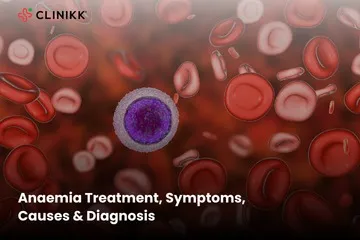
Anaemia is a medical condition characterised by a deficiency in the number of red blood cells (RBCs) or a low concentration of haemoglobin within those cells. Haemoglobin is crucial for transporting oxygen throughout the body, so insufficient levels can lead to decreased oxygen delivery to tissues, resulting in symptoms such as fatigue, weakness, dizziness, and shortness of breath.
Common Causes of Anaemia
Anaemia is a condition characterised by a deficiency in the number of red blood cells or insufficient haemoglobin, which is essential for transporting oxygen throughout the body. Understanding the causes of anaemia is crucial for effective diagnosis and treatment.
1. Nutritional Deficiencies
- Iron deficiency: The most prevalent type of anaemia occurs when the body lacks enough iron to produce haemoglobin. This can result from inadequate dietary intake, blood loss, or increased needs during pregnancy.
- Vitamin B12 deficiency: A lack of vitamin B12 can lead to megaloblastic anaemia, where RBCs are larger than normal and function poorly. This deficiency can occur due to poor dietary intake or absorption issues.
- Folate deficiency: Similar to vitamin B12, folate is necessary for RBC formation. Insufficient folate can also lead to megaloblastic anaemia.
2. Blood Loss
- Acute blood loss: Sudden loss of blood from trauma, surgery, or childbirth can lead to anaemia.
- Chronic blood loss: Conditions such as gastrointestinal bleeding, heavy menstrual bleeding, or frequent use of nonsteroidal anti-inflammatory drugs can cause gradual blood loss and result in anaemia.
3. Bone Marrow Disorders
- Aplastic anaemia: This rare condition occurs when the bone marrow fails to produce enough RBCs due to factors like autoimmune diseases, certain medications, or exposure to toxic chemicals.
- Leukemia and other cancers: These diseases can disrupt normal blood cell production in the bone marrow, leading to anaemia.
4. Chronic Diseases
- Conditions such as chronic kidney disease, rheumatoid arthritis, and infections like HIV can lead to anaemia by affecting the body’s ability to produce RBCs or by causing inflammation that interferes with RBC production.
5. Destruction of Red Blood Cells
- Hemolytic anaemia: This type occurs when RBCs are destroyed faster than they can be produced. Causes include autoimmune disorders, infections, inherited conditions like sickle cell disease and thalassemia, and certain medications.
- Sickle cell disease: An inherited form of hemolytic anaemia where abnormal haemoglobin causes RBCs to assume a sickle shape, leading to their early destruction.
What are Symptoms of Anaemia?
The symptoms of anaemia can vary based on its severity and underlying causes.
Common Symptoms of Anaemia
- Fatigue and weakness: One of the most prevalent symptoms, fatigue occurs because the body lacks sufficient oxygen to function optimally. Individuals may feel unusually tired or weak, even after adequate rest.
- Pale skin: Noticeable paleness in the skin, especially in the face and palms, can occur due to reduced red blood cell count.
- Shortness of breath: Individuals may experience difficulty breathing during normal activities or even at rest, as their body struggles to get enough oxygen.
- Dizziness or lightheadedness: Many people with anaemia report feeling dizzy or lightheaded, particularly when standing up quickly or after exertion.
- Rapid heartbeat: The heart may beat faster or irregularly as it works harder to pump oxygen-rich blood throughout the body.
- Headaches: Insufficient oxygen supply can lead to frequent headaches or migraines due to increased strain on the brain.
- Cold hands and feet: Poor circulation resulting from anaemia can cause extremities to feel cold or numb.
- Inflamed or sore tongue: Some individuals may notice a swollen or sore tongue, which can be a sign of vitamin deficiency-related anaemia.
- Unusual cravings (pica): A desire to eat non-nutritive substances like ice, dirt, or starch is known as pica and is often associated with iron deficiency.
- Increased menstrual bleeding: Women may experience heavier menstrual periods, which can contribute to or exacerbate anaemia.
- Cognitive issues: Difficulty concentrating, irritability, and mood changes can occur due to reduced oxygen flow to the brain.
Severe Symptoms of Anaemia
In cases of severe anaemia, additional symptoms may arise, including:
- Chest pain: This can occur if the heart struggles due to lack of oxygen.
- Mouth ulcers: Painful sores in the mouth may develop.
- Loss of sexual interest: Men may experience decreased libido due to hormonal changes associated with anaemia.
Symptoms of anaemia can be mild and develop gradually, making them easy to overlook initially. However, as the condition worsens, these symptoms can significantly impact daily life and health. If you suspect you have anaemia based on these symptoms, consult a general physician for proper diagnosis and treatment.
Diagnosis of Anaemia
Anaemia is a common blood condition characterised by low levels of red blood cells or haemoglobin, which can lead to insufficient oxygen delivery to the body’s tissues. Diagnosing anaemia involves a combination of medical history, physical examination, and laboratory tests.
Initial Assessment
- Medical history: The healthcare provider will gather information about symptoms such as fatigue, weakness, or shortness of breath, dietary habits, family history of anaemia, and underlying health conditions that may contribute to anaemia.
- Physical examination: A physical exam may include checking for signs of anaemia such as pale skin, rapid heartbeat, or unusual breathing patterns. The doctor may also assess the abdomen for liver and spleen size.
Laboratory Tests
The cornerstone of anaemia diagnosis is laboratory testing, primarily through a Complete Blood Count (CBC).
- Complete Blood Count (CBC): This test measures haemoglobin levels, hematocrit, red blood cell count, and mean corpuscular volume.
- Haemoglobin levels: Normal levels are typically 14-18 g/dL for men and 12-16 g/dL for women. Anaemia is indicated by levels below these thresholds.
- Hematocrit: This measures the proportion of blood volume made up of red blood cells.
- Red blood cell count: This assesses the number of red blood cells present.
- Mean corpuscular volume (MCV): This indicates the average size of red blood cells and can help determine the type of anaemia.
- Peripheral blood smear: A blood sample is examined under a microscope to evaluate the shape and size of red blood cells and check for abnormalities.
- Reticulocyte count: This measures immature red blood cells in circulation, indicating how well the bone marrow is producing new red blood cells.
Additional Tests
If initial tests indicate anaemia, further investigations may be necessary to identify its cause:
- Iron studies: These tests measure serum iron levels, ferritin, and total iron-binding capacity to assess iron deficiency.
- Vitamin B12 and folate levels: Deficiencies in these vitamins can lead to specific types of anaemia.
- Bone marrow biopsy: In some cases, a sample of bone marrow may be taken to examine its cellular content and determine if there are issues with red blood cell production.
- Haemoglobin electrophoresis: This test identifies different types of haemoglobin in the blood and can diagnose conditions like thalassemia or sickle cell disease.
Imaging Studies
In cases where internal bleeding is suspected as a cause of anaemia, imaging studies such as ultrasound or endoscopy may be performed to locate sources of bleeding within the gastrointestinal tract.
How is Anaemia Treated by a Doctor?
The treatment of anaemia varies depending on its specific type and underlying causes. Doctors typically begin by identifying the cause through blood tests and possibly other diagnostic procedures. This helps tailor the treatment effectively.
General Treatment Approach
- Identify the cause: The first step in treating anaemia is to determine its cause through blood tests and diagnostic procedures.
- Two-stage treatment: Stage one treats the anaemia itself, which may involve medications, dietary changes, or procedures like blood transfusions. Stage two addresses the underlying cause to prevent recurrence.
Specific Treatments Based on Anaemia Type
1. Iron-Deficiency Anaemia
- Iron supplements: Oral iron supplements are commonly prescribed. In cases where oral supplements are ineffective or not tolerated, intravenous iron may be administered.
- Dietary changes: Increasing intake of iron-rich foods, such as red meat, leafy greens, beans, and fortified cereals.
- Addressing blood loss: If bleeding is the cause, doctors will identify and treat the source of bleeding.
2. Vitamin Deficiency Anaemias
- Vitamin B12 deficiency: Treatment often includes B12 injections or high-dose oral supplements, especially for those with absorption issues.
- Folate deficiency: Folic acid supplements and dietary adjustments to include folate-rich foods such as leafy greens and legumes.
3. Anaemia of Chronic Disease
- Treatment focuses on managing the underlying chronic condition, such as kidney disease or autoimmune disorders.
- In some cases, erythropoietin-stimulating agents may be used to boost RBC production.
4. Aplastic Anaemia
- Blood transfusions may be required to increase RBC levels.
- Bone marrow transplants might be necessary for severe cases.
5. Hemolytic Anaemias
Treatment can include:
- Immunosuppressive drugs if the immune system is attacking RBCs.
- Managing infections that may exacerbate the condition.
- Plasmapheresis to filter out harmful antibodies.
The treatment of anaemia is multifaceted and tailored to each individual’s needs based on the type and cause of their condition. Early diagnosis and appropriate intervention can significantly improve outcomes for patients with anaemia.
Associated Costs of Anaemia Treatment in Bengaluru
The costs associated with anaemia treatment in Bengaluru can vary widely based on several factors, including the type of anaemia, the treatments required, and the healthcare facility chosen.
General Cost Overview
Consultation Fees
- Initial consultations with a general physician can range from ₹250 to ₹1,000 depending on the doctor’s experience and the hospital’s reputation.
Diagnostic Tests
- Blood tests such as Complete Blood Count and iron studies typically cost between ₹500 to ₹3,000.
- Additional tests like bone marrow biopsy may incur higher costs, often exceeding ₹5,000 depending on complexity and facility.
Treatment Costs
- Iron supplements: Oral iron supplements can cost around ₹200 to ₹1,000 per month.
- Vitamin B12 and folate supplements: Monthly costs can range from ₹300 to ₹1,500 depending on formulation and dosage.
- Blood transfusions: Each transfusion can cost between ₹5,000 to ₹15,000, including hospital charges and blood bank fees.
- Intravenous iron infusions: These treatments may cost around ₹3,000 to ₹10,000 per session.
- Medications for chronic conditions: Costs for medications like erythropoietin can vary significantly but may be around ₹2,000 to ₹10,000 monthly.
Hospitalisation Costs
- If hospitalisation is required for severe cases or procedures like bone marrow transplants, costs can escalate significantly. Daily hospital charges can range from ₹2,000 to ₹10,000, depending on the type of room and facility.
The total cost of treating anaemia in Bengaluru can range from a few thousand rupees for mild cases requiring supplements and outpatient care to tens of thousands for severe cases needing hospitalisation or complex treatments. Patients should consult a general physician for a detailed estimate based on their specific condition and treatment plan.
Why Choose Clinikk for Anaemia Treatment?
- Experienced doctors: Our doctors have extensive experience in managing anaemia and ensuring you receive expert care.
- State-of-the-art facilities: Our clinics are equipped with medical technology for accurate diagnosis and effective treatment.
- Patient-centric approach: We prioritise your health and well-being, offering personalised care tailored to your needs.
- Affordable care: We offer transparent and affordable pricing, ensuring you receive care without financial strain.
- Evidence-based medicine: Our anaemia treatment protocols are grounded in the latest research, ensuring you receive effective treatments.
For more information or to book an appointment, visit Clinikk. Experience healthcare services at Clinikk - your trusted partner in health.